
Referrals

Support for Young People Experiencing & Engaged in Harm
Our Frontline Team offers trauma-informed, person-centred intervention coaching to young people aged 15-21 affected by:
Criminal or sexual exploitation and grooming
Serious youth violence and knife crime
Gang involvement
Hidden caring responsibilities
Inequality and poverty
Trauma-Informed Support Through our Appropriate Intervention Plus Model (AIM+)
Our award-winning Intervention Coaches provide trauma-informed, person-centred support across all aspects of a young person’s life. We work long-term, building trust and creating safer pathways supporting them through our 2 year, 3-Phase Change Programme to significantly reduce harm and positivly advance in education and employment.
We accompany our young clients until they are equipped to maintain their change, independently of us.

Referring a Young Person to Streets of Growth
We welcome referrals from across the London Borough of Tower Hamlets and the eastern side of the City of London (Middlesex Street and Portsoken Estates). whether from young people themselves, their families, community groups, or professionals in statutory and non-statutory services.
Each referral is screened by our Frontline Team to assess eligibility. If accepted, the young person is allocated a dedicated Intervention Coach based on their individual needs and circumstances, supporting them through our Phase-Based Change Programme.
Please note: Before referring a young person to our services, please read our refferal criteria below:
Referral Criteria: Who We Work With
-
Our data insights indicate that our stage-based change programme is most suitable and effective for individuals aged 15 to 21.
-
The young person lives, studies, or regularly spends time in the London Borough of Tower Hamlets or the eastern side of the City of London (Middlesex Street and Portsoken Estates).
-
Criminal Exploitation / County Lines / Drug Dealing:
Indicators of county lines exploitation: drug supply, missing episodes, unexplained travel, multiple phones, associations with unknown adults. Subject to police action and court proceedings.
Child Sexual Exploitation / Sexual Violence / Grooming:
Evidence of sexual exploitation: grooming by older individuals, unexplained absences, secretive behaviour, financial rewards, and controlling relationships. Concerns around trauma, physical harm, and risky associations.
Gang Involvement / Activity:
Evidence of gang affiliation: associations with criminal or violent individuals, involvement in postcode rivalries, targeted or involved in serious violence, and known criminal links.
Weapon Carrying / Violence outside the home (contextual violence):
Indicators of involvement in or exposure to serious violence, including weapon possession or use, postcode conflicts, assault (as victim or perpetrator), and concerning social media activity. Subject to rehabilitation orders and displaying behavioural changes linked to aggression or threat.
Other Risk Factors:
Concerns: online sexualised behaviour, sharing explicit content, contact with unknown adults online, unexplained injuries, NRM-identified exploitation, frequent missing episodes with at-risk peers.
Considering the above, we are unable to support any young people that fall within the criteria below:
Severe Learning Needs
Learning need that severly limits self reflection and inability to receive high-intensity intervention coaching.
Due to be Sentenced
The young person is due to receive a custodial sentence and unable to engage our street and centre-based services.
Severe Mental Health
Severe mental health conditions such as, clinical depression, bipolar disorder, or schizophrenia.
Soley Requires Preventative Diversion Activities
Young person has no significant harm or exploitation indicators. Does not need our specialist interventions
High Level Harmful Sexual Behaviours
We cannot provide support for young people under investigation or with convictions for high level sexual offences.
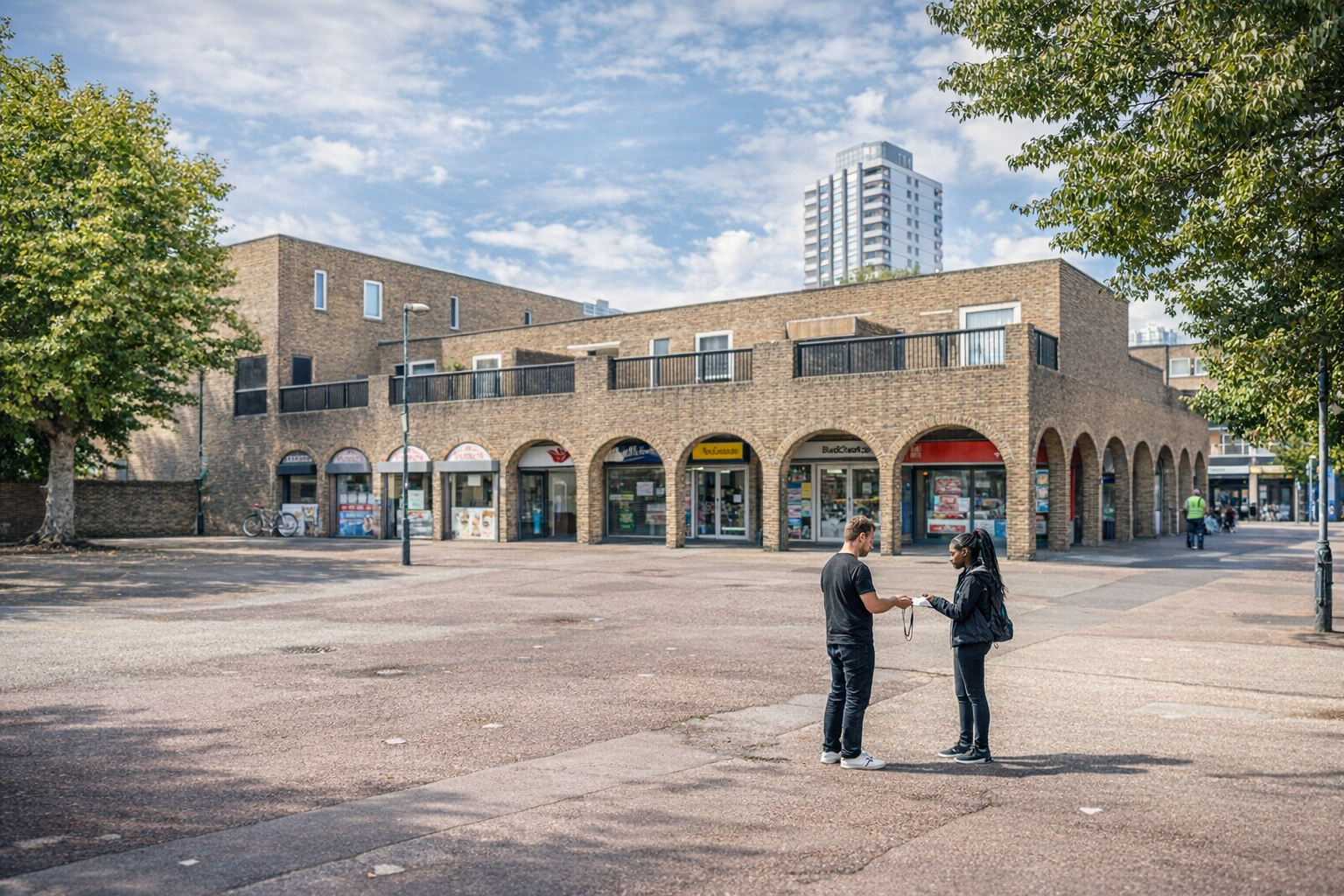
Who We Are Unable To Support
At Streets of Growth, we’re committed to supporting the young people we serve. However, our intensive intervention model and programme isn’t suitable for everyone and every age. Based on our specialism, impact and evidenced data, some clients and thier specific needs fall outside of our scope and offer, and we believe other organisations are better placed to provide appropriate specialist support.

How to Make a Referral
Please ensure the young person has given clear consent to share their information with us.
When completing the referral form, provide as much accurate and detailed information as possible. This helps us assess the referral quickly and connect the young person with the right support.
Referrals are welcome from young people themselves, family members, community groups, and professionals across statutory and non-statutory services.
What Happens Next
Once submitted, you will receive a response with an assessment result within 10 working days. If we need further details or documents, we’ll be in touch within this period (and kindly ask that you respond within five working days, as this helps us assess, decide, and allocate an Intervention Coach if eligible for our programme.)
If you have any queries or wish to discuss an issue/needs of a young person before submitting a referral form, then please email: referrals@streetsofgrowth.org or contact us on 0207 515 7356.